SYSTEMS & INFRASTRUCTURE · CUSTOM APPLICATIONS & AUTOMATION
The specification first, the code second.
Connecting your tools, automating what repeats, letting AI agents handle first replies, or building the business tool that does not exist. With an architect's eye: we decide what to build before writing it.
Does this sound familiar?
- The same information is entered in three tools, and a mistake in one is never corrected in the others.
- Requests come in through WhatsApp, email and the website, and some go unanswered in the evening or at the weekend.
- A no-code tool or an AI app builder gave you a prototype, but it does not hold up in real life.
- The software you need does not exist, or it charges a per-user licence for a small part of its features.
What I do
01 — CONNECTING YOUR TOOLS
Tools that talk to each other
I connect your CRM, accounting, messaging and ERP through their APIs, so that a business event automatically triggers what comes next: new customer, quote signed, payment received.
Example: quote signed → invoice sent → payment received → access created → welcome email → task assigned to your team.
02 — AUTOMATING
What repeats should no longer go through you
I build automations with n8n, installed on your server and with no per-execution cost: notifications, reminders, reports, publishing to several networks from a single article.
Example: booking confirmed → email to the client, calendar event, alert on your phone, dashboard updated.
03 — AGENTS THAT QUALIFY AND REPLY
A first point of contact, at any hour
On WhatsApp, on your website or by email, an AI agent understands the request, answers recurring questions, creates the lead in your CRM, alerts you when it is urgent and hands over to a human when needed. What it is allowed to do is written down in advance, and you review it.
04 — A CUSTOM BUSINESS TOOL
The tool that does not exist yet
When nothing on the market fits, I start with the specification: who uses it, to do what, with which data, and what is out of scope. Only then do I develop, with the help of Claude Code, test, install it on your server and document it. The code belongs to you.
Why the specification comes first
With AI, writing code has never been faster. That is exactly why the thinking beforehand matters more than ever: an AI will very quickly build the wrong thing if nobody has decided on the right one.
I come from engineering: before you build, you draw. For software, the drawing is called a specification. It costs you a few hours of thought and saves you weeks of useless development.

“During an ‘AI Hackathon’ event, Myrko helped me take a step back and approach the problem systematically. He gave me a piece of advice that changed everything: AI is powerful, but it won’t save you from doing the hard thinking to clearly define what you want. You have to start with a Product Requirements Document (PRD).”
What I have built
APPLICATION · 2026
TSFind
A service-provider directory developed with Claude Code: external APIs, a public database, selective filtering. And what it taught me about APIs and data.
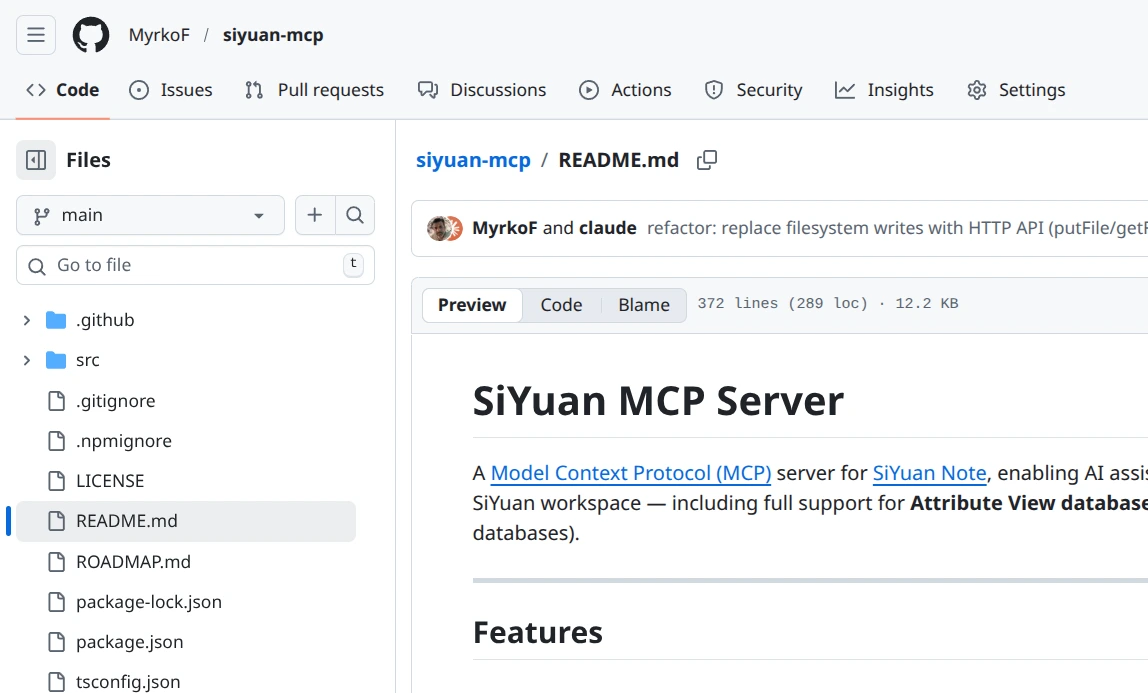
MCP SERVER · OPEN SOURCE
SiYuan MCP Server
An MCP server that lets an AI read and update the databases of a SiYuan knowledge base, in plain language.
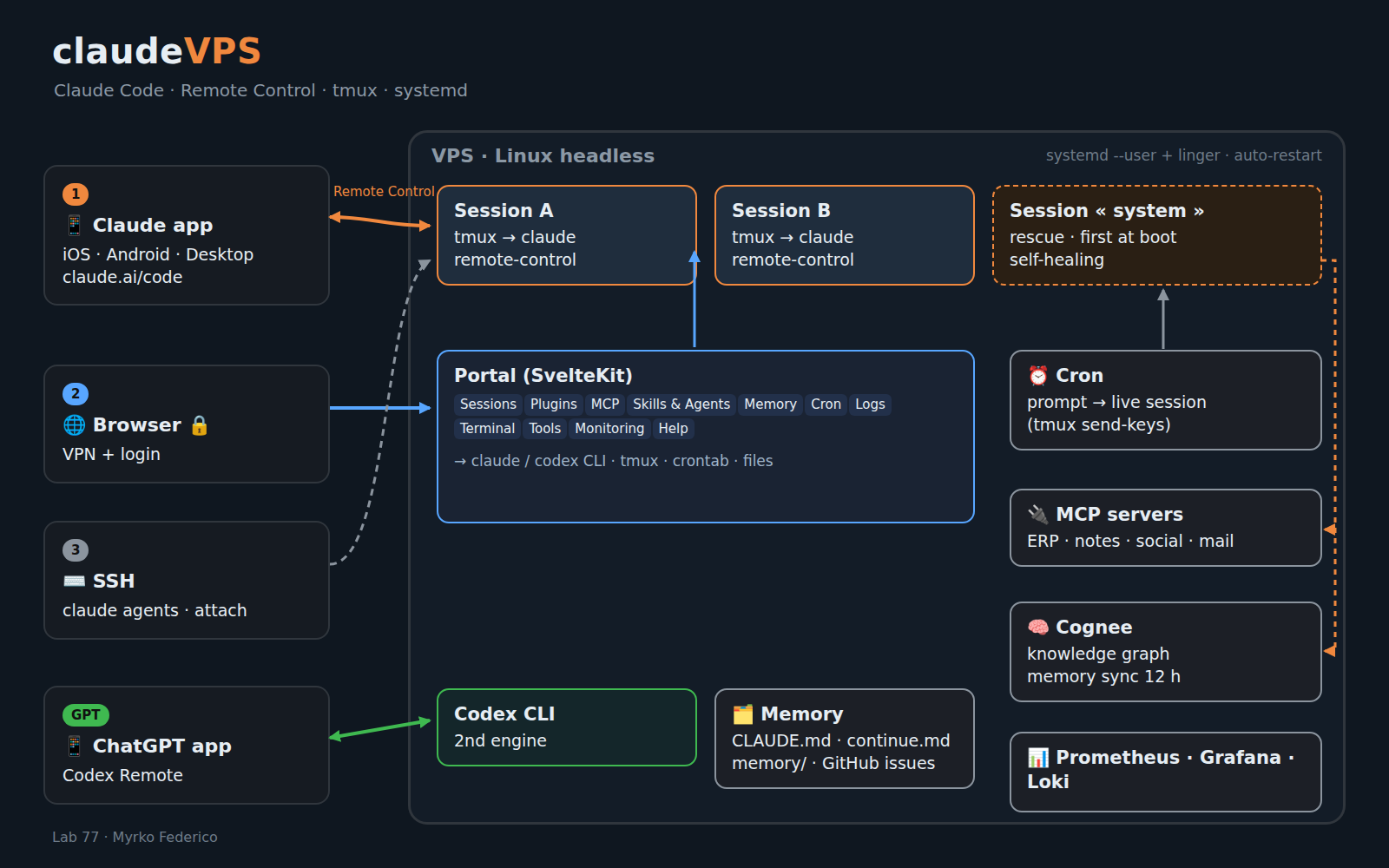
AI AGENTS · SELF-HOSTED
claudeVPS
AI agents that manage my ERP, my notes and my servers every day, always available and controllable from my phone, with their own administration portal.
How I work
01 — SPECIFICATION
Deciding what to build
After a free 20-minute conversation, I map your tools and processes, then we write the specification together. You receive a costed proposal before the first line of code is written.
02 — MODULE BY MODULE
A first module that is useful
No big bang: I first deliver the most useful building block, tested in real conditions, then the next ones.
03 — HANDOVER
The code and the access are yours
Source code, documentation, access rights and training: you can evolve the tool with me, with someone else or on your own.
Frequently asked questions
Who owns the code?
You do. It is installed on your server or with the host you choose, documented and versioned. You are not tied to me by any subscription.
My current tools are not open source. Is that a problem?
No. I also connect proprietary software, as long as it offers API access. I simply point out the dependencies this creates, so that you can decide with full knowledge.
Does my data go through an external AI?
Only if you agree. When confidentiality requires it, the models run on your server; otherwise I use external APIs and tell you which ones, and which data goes there.
A missing tool, tasks that keep repeating?
Describe what you need: in 20 minutes, I will tell you what is feasible, and where to start.
Describe my problem (20 min) Your tools and your data
REPLY WITHIN 24 HOURS